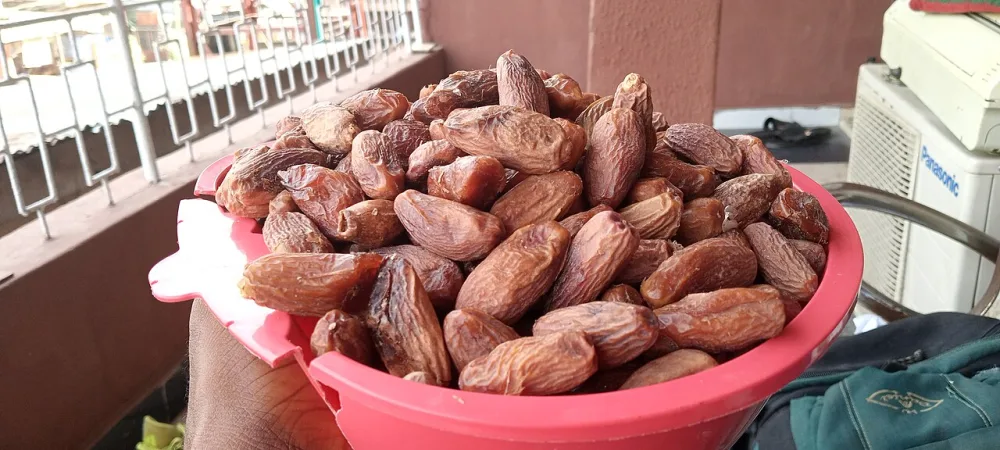
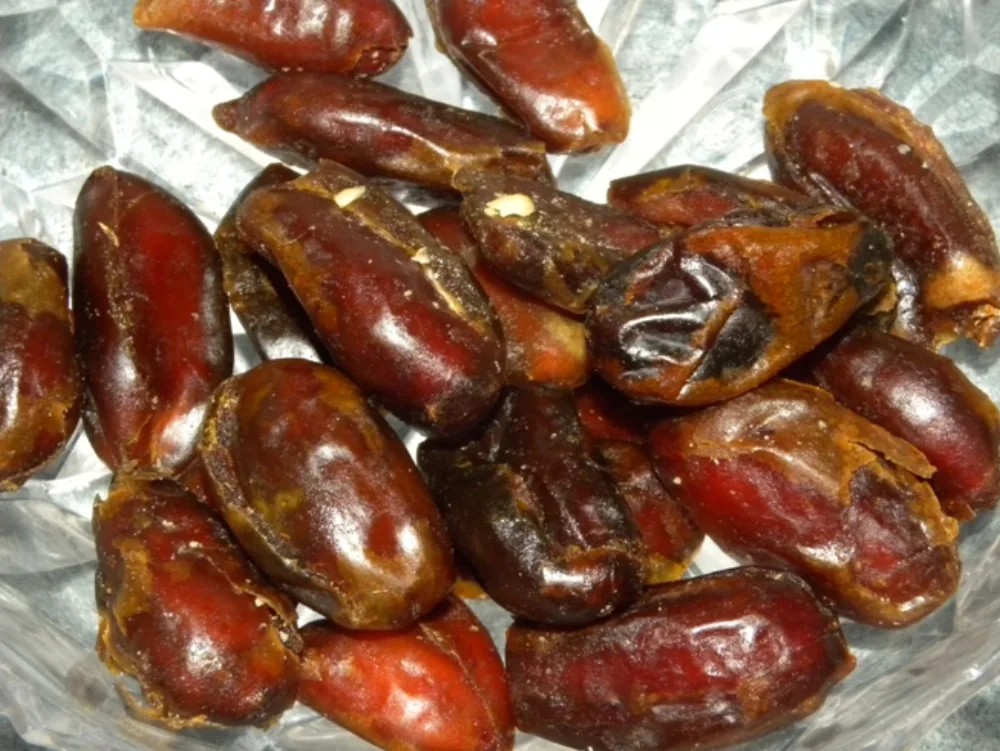
Many breastfeeding mothers in Indonesia look for a natural snack that restores energy while supporting lactation, and Sukari dates are often a favorite for their soft caramel sweetness and easy eating. A common question: are Sukari dates truly beneficial for breastfeeding mothers and milk supply? This article offers an educational review based on nutrition and health references, with an honest framing. It must be stressed from the start: this is educational, not medical advice. For specific conditions, always consult your doctor or dietitian.
Why Are Dates Suitable During Lactation?
Breastfeeding demands extra energy. Dates are a convenient, energy-dense natural carbohydrate source, plus fiber, iron, potassium, magnesium, and several vitamins. For a tired mother needing quick intake, a few dates can be a healthier snack than processed sweets high in added sugar. National health sources like Alodokter and parenting media note dates as a snack that can support a breastfeeding mother's energy needs, especially while fasting.
Sukari Date Nutrition (Benchmark)
Date nutrition varies by form (moist/rutab vs dry) and data source. Here are benchmark ranges to aid understanding:
| Component | Range per 100 g (benchmark) | Note |
|---|---|---|
| Energy | ~160–300 kcal | The moist form tends to be lower due to high moisture |
| Carbohydrate | ~44–75 g | Dominated by natural sugars (glucose & fructose) |
| Fiber | ~5–8 g | Supports digestion |
| Potassium | high | An important mineral for fluid balance |
| Iron | present | Often associated with anemia prevention |
Note: figures are educational benchmark ranges that may differ across sources and date forms.
What Does Research Say About Dates and Lactation?
Scientific honesty is needed here: specific evidence that dates directly "increase breast milk" in humans remains limited. The popular claim that dates are an "ASI booster" rests more on tradition and experience than large, conclusive clinical studies. Health sources like Alodokter also review this topic cautiously, positioning dates as part of a balanced, nutritious diet rather than a magic milk-boosting remedy.
Stronger scientifically is the role of dates as an energy and supporting-nutrient source. Milk production is influenced by many factors — feeding frequency, hydration, rest, and the mother's overall nutritional adequacy. Dates can contribute to the energy and micronutrient intake a mother needs, thus indirectly supporting her wellbeing during lactation.
Potential Benefits of Sukari Dates for Breastfeeding Mothers
- Quick energy source — natural sugars help restore stamina after childbirth and between tiring feeds.
- Supports digestion — fiber content may help with constipation common in the postpartum period.
- Iron intake — often associated with efforts to prevent anemia, a concern for mothers after childbirth.
- A better sweet-snack alternative — compared with cakes or sugary drinks high in added sugar, dates offer natural sweetness alongside fiber and minerals.
A Sensible Portion and Safety Notes
Because dates are energy-dense with natural sugars, the key is moderation. A few dates per day as part of a balanced diet is generally reasonable for a healthy mother. Things to note:
| Situation | Consideration |
|---|---|
| Mother with history of gestational diabetes / blood-sugar issues | Discuss portion with a doctor; monitor blood-sugar response |
| Managing weight | Watch total daily calories since dates are fairly energy-dense |
| Baby shows unusual reactions | Any change in the mother's diet is worth observing; contact a health professional if unsure |
| Healthy mother without special conditions | A few dates per day is generally reasonable as a snack |
For breastfeeding mothers, moist Sukari (rutab) is often favored for its soft, easy-to-eat texture, while dry Sukari Mufattal is practical as long-lasting snack stock. Some mothers also consume it as juice or mixed with milk to taste. Choose clean, quality dates and store them correctly — our Sukari storage guide can help keep them fresh.
Ideas for Eating Sukari Dates While Breastfeeding
To avoid monotony while staying within a reasonable portion, Sukari dates can be enjoyed in various ways. Eaten plain as a few-date snack between feeds is the most practical. Mixed with milk into a warm, filling drink is popular among Indonesian mothers. Chopped and added to oatmeal or porridge gives natural sweetness without added sugar. Blended into a smoothie with banana or other fruit makes a quick, nutritious breakfast. Remember, all of these still contribute calories and sugar, so portions still need attention. Swapping processed sweet snacks for dates is a better step, but still within an overall balanced diet, not consumed in excess hoping for an instant effect on milk.
Sukari vs Other Date Types for Breastfeeding
Almost all date types offer a similar nutritional profile as a source of energy, fiber, and minerals, so the choice is more about taste and comfort. Sukari dates excel in soft texture and caramel flavor that is easy to accept, suitable for a mother wanting a pleasant snack without an overly strong taste. Drier, harder date types may be less comfortable to eat in quantity, while moist Sukari feels light in the mouth. However, from a nutritional standpoint for lactation, no single date type is scientifically proven superior for milk production over others. So choose the type you most enjoy and can comfortably eat consistently in a reasonable portion — consistency of a nutritious diet matters far more than chasing one particular date type.
Closing
Sukari dates are a natural snack that can be part of a breastfeeding mother's nutritious diet — especially as a source of energy, fiber, and micronutrients. But it is important to be realistic: scientific evidence for "milk-boosting" claims remains limited, so dates are best viewed as a nutritional support, not a sole solution. Consume in moderation and, for certain health conditions, consult your doctor or dietitian. Again, this article is educational and not a substitute for medical advice. For product questions, contact us via WhatsApp at +62 823-4350-8579.